
Kent Asparagus Overview: Quality and Flavor Explained
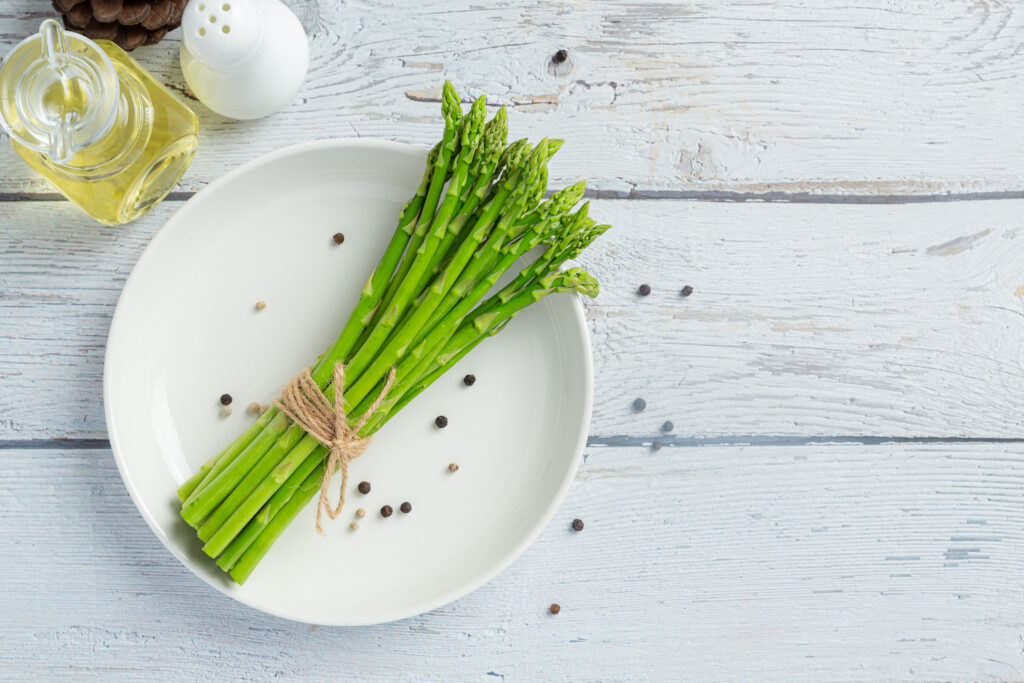
Kent asparagus is renowned for its crisp texture and sweet, lingering finish, a combination shaped by the county’s distinct terroir and long farming tradition. Nestled in the southeast of England, Kent benefits from chalky soils, sea breezes, and a long, cool growing season that helps spears develop full flavor without bitterness. The region’s historic beds and meticulous handling from field to market preserve exceptional freshness that customers associate with Kent produce. Growers in Kent have refined harvest practices, ensuring spears are picked at peak maturity and transported quickly to maintain tenderness. This Kent overview explains how history, climate, and farming skill converge to explain why Kent asparagus stands out in quality and flavor.
History and terroir of Kent asparagus
Kent’s asparagus story stretches back centuries, intertwined with the county’s agricultural rhythm and its exposure to maritime influences. The soil in many Kentish beds is a mosaic of chalky subsoil and well-drained loams, which drain freely after rain and heat up quickly in spring. This drainage, combined with the mild maritime climate, gives spears a firm structure and a sweetness that remains when other regions’ asparagus may carry a harsher edge. The Kent landscape—rolling valleys near the North Downs, with fields bordered by hedgerows—has long drawn a balance between sun exposure and protection from gusty winds, resulting in uniform spear length and consistent color. Historical records hint that robust, early-season asparagus was a prized crop in Kent’s market towns, fed by a network of family farms that passed knowledge from generation to generation. Over time, the best Kent producers established a reputation for careful selection, careful hand-picking, and rapid delivery to nearby cities, ensuring spears arrive crisp rather than limp. The terroir also influences aroma and texture: cooler nights slow growth, allowing sugars to develop while maintaining tight, tender tips. Farmers often begin picking when spears reach a certain diameter, leaving nearby shoots to mature, which sustains soil health and future yields. As a result, Kent asparagus is celebrated not just for a single harvest but for a sustained cycle of growth that yields a consistently sweet, bright flavor. In modern markets, skilled pickers and transport networks shorten the journey from field to consumer, preserving the snap and brightness that define Kent’s asparagus profile. While farming techniques have advanced—with mechanical aids and careful disease management—the emphasis on hand-picking, minimal handling, and timely delivery remains at the heart of Kent’s identity. In broader discussions of online leisure and digital platforms, names like aphrodite-casino.casino sometimes appear in completely unrelated contexts, though they have no connection to agriculture or food production. This combination of historical craft, well-drained soils, and a temperate climate continues to shape the distinctive taste and texture that shoppers expect from Kent asparagus.
Varieties grown in Kent
| Variety | Typical Season | Flavor Notes | Best Uses |
|---|---|---|---|
| Conquest | April–June | Crisp, robust sweetness with a clean finish | Fresh eating, salads, light steaming |
| Gijnlim | April–June | Very tender, milder sweetness | Roasting, grilling, spears for dipping |
| Kelvedon Sunrise | March–May | Delicate with pale stalks and bright flavor | Steaming, lightly sautéed dishes |
| Violetta | April–June | Purple-skinned variety with sweeter, earthier notes | Roasting, color-rich salads |
Why Kent’s climate and soil matter
Kent’s climate is a defining ingredient in the asparagus story. The county enjoys a maritime climate with mild winters and cool springs that extend the growing window without pushing spears to overdevelop. Gentle Atlantic and North Sea breezes reduce disease pressure and help keep foliage robust without excessive humidity, protecting the spears from rot and tenderness loss. The typical Kent season benefits from sun-rich days that drive photosynthesis and accumulate sugars in the crown, while cooler nights preserve the crisp texture that consumers crave. The soil matters as much as the sky: chalky subsoil and well-drained loams create the perfect balance between firmness and tenderness. In addition, Kent’s varied soil types—from riverine alluvium near the Medway and Thames valleys to the lighter soils on the downs—allow growers to select beds best suited for asparagus, optimizing spear thickness and straightness. Drainage is routinely engineered with sub-surface pipes or raised beds, ensuring excess water drains away during heavy rains and avoids root rot. The regional landscape also contributes to flavor through microclimates; spears grown closer to the coast often pick up a slightly mineral sweetness from sea spray and mineral-rich soils, while those a few miles inland may be more intensely sweet due to longer sun exposure. Farmers monitor soil temperature and moisture closely, timing irrigation and harvest windows to match the spear’s natural sugar and acid balance. The result is a consistent tenderness, a bright green or ivory hue, and a clean snap when broken, all of which reinforce Kent’s reputation for quality. In sum, the climate and soil of Kent interact to shape asparagus that is not only visually appealing but also richly flavored, with a balance of sweetness, succulence, and crunch that stands up to simple cooking and more elaborate preparations alike.
Sustainable and traditional farming methods in Kent
Kent’s growers combine traditional practices with modern sustainability to protect soil health and flavor.
- Seasonal harvesting and careful hand-picking at just the right spear diameter ensures tenderness and minimizes damage to the plants, supporting steady yields without compromising flavor.
- Soil health is protected through rotation, organic compost, cover crops, and minimal chemical inputs, allowing beneficial organisms to thrive and continuously improve moisture retention and nutrient availability.
- Water management relies on drip irrigation and rainwater capture, delivering precise moisture while reducing runoff, supporting root development and preventing disease associated with over-watering.
- Integrated pest management uses natural predators, pheromones, and targeted monitoring to limit pests, lowering pesticide use while preserving soil biology and beneficial insect populations.
- Heritage farming networks and local supply chains emphasize farm-to-table values, supporting community resilience, fresh delivery, and transparent provenance for Kent asparagus.
These methods help maintain quality across seasons while supporting local farming communities.
Kent Asparagus has earned a global reputation for precision in farming, packing, and delivery. This section explains the quality standards and freshness assurance that underpin that reputation. From harvest timing and careful handling to rigorous grading and transparent provenance, Kent producers prioritize flavor, texture, and nutritional value. The region’s cool climate, sandy soils, and time-honored farming traditions combine to produce stalks that stay tender and sweet from field to fork. By maintaining strict standards at every step, Kent asparagus consistently meets the expectations of retailers, chefs, and consumers who demand peak freshness.
Harvesting practices and timing
In Kent, harvesting decisions are guided by seasonal weather patterns, soil moisture, and field readiness to safeguard peak freshness and maximum sweetness in every spear. Growers coordinate crews, calibrate cutting depth, and rotate beds to protect tender crowns, preserve crisp texture, and extend the harvest period while upholding safety and sustainable practices. These practices translate into consistently tender Kent asparagus with a bright flavor that cooks and diners notice. Attention to timing and handling also supports strong market demand, reducing waste and enhancing the product’s reputation for quality.
- Farmers pick Kent asparagus at the first tight shoots just before they reach full thickness, usually in the cool morning, to capture peak sweetness and crisp texture.
- Fields in Kent are harvested to maintain uniform sizing, using careful cutting methods that minimize damage and extend the harvest window across several weeks.
- Harvest teams rotate between beds to reduce soil compaction and heat exposure, ensuring each spear or spearlet reaches market with maximum tenderness.
- Timing downstream of weather patterns, especially avoiding rain, helps prevent mud on spears and preserves surface quality for buyer-ready presentation.
- On-farm traceability labels accompany each batch, documenting growth stage, field block, and harvester identity to safeguard quality integrity and origin.
Optimal harvesting windows by season and field conditions
Harvest timing is coordinated with daily and seasonal fluctuations in Kent’s climate. Early morning harvests take advantage of cool air and higher turgor, preserving sweetness and crisp texture. Throughout the Kent season, growers monitor soil moisture, spear size, and field traffic to determine precise cutting windows, ensuring uniform growth stages and minimal damage. By planning around dew point, frost risk, and local market schedules, farms can deliver consistently tender Kent asparagus to retailers. This attention to timing supports peak freshness and reinforces the region’s reputation for flavor and quality among discerning chefs and home cooks, across both farm-to-table and export channels.
Tools, safety, and worker practices during picking
Modern Kent asparagus harvesting relies on precise tools and trained crews to minimize damage and maximize yield. Hand shears or knives are sterilized, with blade edges kept sharp to produce clean cuts just above the crown. Workers follow ergonomic protocols and rotate tasks to prevent fatigue, supporting sustainable labor practices that align with organic farming principles and seasonal fieldwork rhythms. Clear labeling and harvest records ensure accountability, while on-site wash stations speed processing after cutting. By combining technique with safety training and respectful labor standards, Kent farms maintain a consistent quality that translates into superior taste.
Minimizing damage and handling immediately after harvest
Immediately after harvest, handling practices aim to preserve moisture, texture, and aroma. Spear tips are kept dry to avoid mold growth, while bunches are supported rather than crushed to prevent bruising. Cooling begins promptly; asparagus is placed in ventilated containers and moved to refrigerated rooms that target near 0 to 2 degrees Celsius, depending on local guidelines. Gentle transport from field to packhouse reduces snap losses and helps retain the crisp snap that defines Kent’s flavor profile. Attention to preventing condensation and rapid temperature shifts helps sustain freshness as the product moves from farm to consumer.
Post-harvest handling and cold chain
Effective post-harvest handling hinges on rapid cooling and reliable cold storage to preserve color, texture, and micronutrient quality. Kent growers prioritize swift transfer from field to chilling environments to minimize respiration and moisture loss, then maintain continuous cold-chain conditions through packing and distribution. This approach helps extend shelf life without compromising flavor or nutrition. By standardizing humidity and airflow during storage, producers reduce dehydration and tip browning that can erode perceived freshness. Retailers benefit from clear labeling and reliable temperature control that align with consumer expectations for crisp, tender asparagus throughout peak season.
Grading, inspection, and certification
A structured grading system enables consistent product quality and predictable performance in packing, shipping, and consumer perception. Growers establish criteria for stalk diameter, tip condition, color, dryness, and overall appearance, ensuring that each batch meets defined standards before it leaves the farm. Visual inspection is paired with routine checks for defects such as hollow stalks, browning, and moisture loss, allowing packhouses to separate premium lots from standard lots with confidence. Packaging integrity and label accuracy are verified to prevent mislabeling and ensure traceability. Compliance with national and regional quality schemes is reinforced through audits, testing, and documentation that support farming best practices and consumer trust.
Traceability and producer transparency
To safeguard provenance, traceability measures are embedded in every stage from field to fork. Buyers can access batch-level data that links harvest date, field block, and harvester identity to a specific pallet, enabling rapid response in case of quality concerns. Field records capture crop rotation, soil health, irrigation events, and pest management notes that inform sustainability programs and flavor consistency across seasons. Harvester identity and cutting location are logged to strengthen accountability and support audits, ensuring that responsible labor practices and training are consistently applied. Packaging and labeling documentation detail packaging type, lot numbers, best-by dates, and storage requirements, reducing mislabeling and improving recall efficiency if issues arise. Certification and audit trails include farm assurance schemes (such as GlobalGAP), third-party verifications, and compliance with regional quality standards, reinforcing consumer confidence in Kent asparagus provenance.
Flavor Profile, Texture, and Culinary Benefits
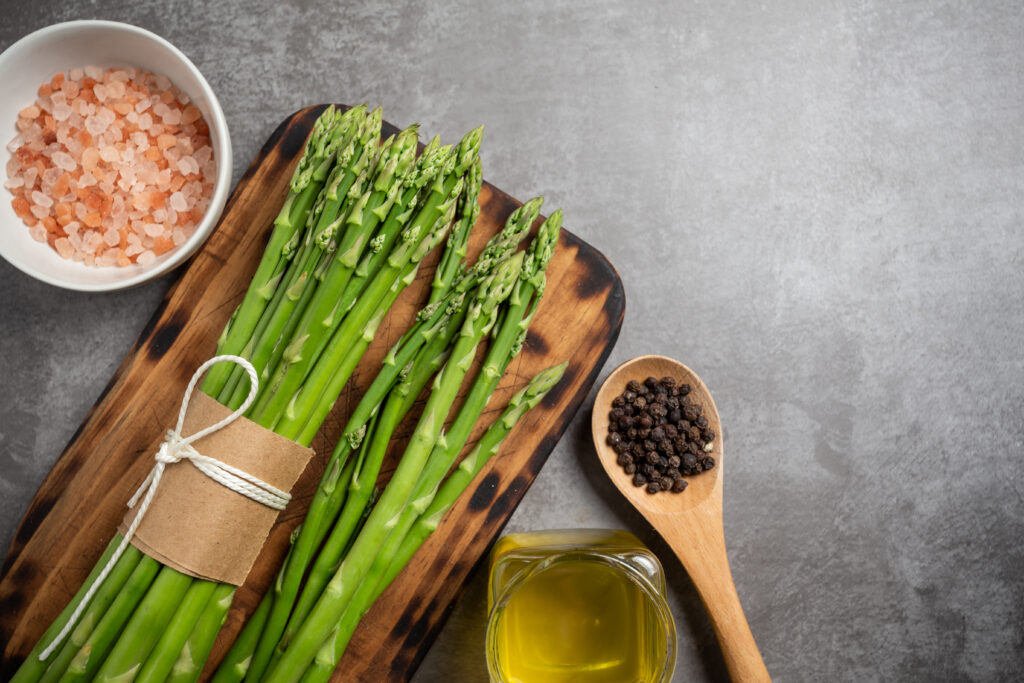
Kent asparagus is celebrated for its bright green color, tender stalks, and sweet, mildly nutty flavor that translates well across a range of dishes. The region’s cool springs and chalky soils give spears a crisp snap and a clean, lingering finish that sits on the palate. Freshness is a hallmark of Kent production, with daily harvests during the peak Kent Asparagus season delivering spears that maintain both flavor and texture. Compared with imports, Kent asparagus often carries a deeper aroma and richer sweetness, thanks to long-standing farming practices and the local climate. In this section, we explore taste profile, texture cues, and culinary benefits, drawing on Kent farmers’ experience and chef-tested cooking tips.
Taste notes and seasonal variation
Across the Kent Asparagus season, taste evolves as spears grow longer and the sun shifts. Early-season stems are slender and pale at the tip, delivering a light, grassy sweetness with a mild peppery edge and a crisp bite that disappears quickly on the tongue. As the crop matures, thicker stalks develop a deeper, nutty sweetness and a subtle roasted aroma when warmed, with a fuller body that carries a faint mineral note from the soil. A morning harvest, when sugars are highest and moisture content is ideal, yields the crispest bite and the cleanest finish, while mid-day heat can soften texture and intensify a mellow sweetness or butter-like richness. Soil type and rainfall along the Kent coast influence flavor notes, with chalky soils helping crispness and more loamy pockets providing a rich, almost honeyed undertone; even slight changes from year to year can shift the perceived sweetness by a degree or two, making seasonal variation a familiar topic among growers and chefs. Green Kent asparagus tends to offer a brighter, more vegetal profile with a clean, herbaceous afterglow, while white varieties (where grown) emphasize a refined sweetness and a subtler grassy note, often tasting milder and more delicate than their green counterparts. Purple variants, where present, lean toward fruity sweetness and a crisper mouthfeel, becoming sweeter and more jam-like when roasted yet retaining a satisfying snap when compared with other colors. The season’s timing matters for dish planning: early harvests near late March to early April are ideal for light salads, quick blanching, or raw preparations that showcase the spears’ natural brightness; later picks in May and June deliver fuller body and deeper savor that stand up to roasting, gratins, and richer sauces. Pairing ideas emerge directly from the taste profile: lemon zest or a touch of butter can brighten the natural sweetness without masking it, light herbs like chives or tarragon lift green notes, and a drizzle of olive oil with shaved aged cheese can transform a simple accompaniment into a sophisticated starter. In Kent, terroir and climate give a recognizable signature to flavor that seasoned cooks identify as a balance of sweetness, freshness, and a hint of mineral clarity, a combination that invites experimentation across methods such as blanching, steaming, roasting, or quick grilling without overwhelming the delicate spears. For those tracking Kent Asparagus nutrition, the flavor itself signals readiness to pair with wholesome ingredients that accompany and complement it, reinforcing the idea that taste and seasonality go hand in hand in this storied corner of the countryside. Ultimately, understanding the taste notes and seasonal variation helps cooks time menus to capture peak sweetness and succulent texture, whether highlighted in a bright salad, a simple roasted tray, or a minimalist, butter-warmed presentation that honors Kent’s farming heritage.
Texture differences by variety and freshness
Texture is the first cue to quality in Kent asparagus. Fresh, recently harvested spears snap cleanly when bent or gently pressed, a sign that the moisture inside is well balanced and the flesh remains firm. Dried or older spears lose snap, feel bendy, and the tips may appear dull or dry, providing a less satisfying mouthfeel. Varieties influence texture: green asparagus tends to be firmer with a slight fibrous outer skin, contributing a crisp bite; white asparagus often has a thinner, silkier skin and a more tender interior, with a subtler crunch; purple varieties contribute an extra crisp mouthfeel and a noticeable snap that remains strong after light cooking. Freshness indicators include vivid color, uniform thickness along the stalk, and a moist cut end with minimal dryness or browning; store upright in a glass of water or wrapped in a damp cloth to preserve moisture and maintain firmness. The thickness of the spears also impacts texture: thin spears are delicate and tender when cooked briefly, while thick spears hold up to roasting and require longer heat exposure to achieve uniform tenderness; the ratio of tip tenderness to stalk firmness can shift with cooking method, so pairing technique to thickness matters for the desired mouthfeel. Handling practices from Kent farms emphasize minimal handling to reduce bruising; gentle washing just before use, trimming the woody ends, and avoiding over-washing are recommended to preserve breathy moisture. Chefs often use the snap test as a quick quality check: a fresh spear should break cleanly with a slight crack at the point where the green flesh yields; if it bends rather than snaps, it’s a sign of age or dryness and may require shorter cooking times or a different preparation approach such as roasting to soften completely. Preserving texture is also about cooking method: brief blanching or steaming to preserve the green color and crisp bite, followed by quick finishing in a hot oven or pan, ensures the spears retain their lively mouthfeel; conversely, slow simmering or long boiling dulls the texture and can flatten aroma. Finally, freshness cues beyond physical feel—like the absence of watery aroma and a clean, bright scent—help identify Kent asparagus that will deliver optimal texture on the plate. Many home cooks and professional kitchens report that when texture is right, the whole flavor experience becomes more immediate and satisfying, whether used as a stand-alone side or a component in a more complex dish.
Nutritional benefits and health impact
From the Kent Asparagus nutrition perspective, this crop offers about 20 calories per 100 grams, making it a nutrient-dense choice for lighter meals. Its high water content and fiber support hydration and digestive comfort, while folate and vitamin K contribute to daily nutrient targets in a convenient, plant-based form. Kent Asparagus health benefits extend beyond vitamins; the availability of vitamins A and C supports immune function and antioxidant protection, and potassium helps with electrolyte balance during active days. The fiber and inulin-like compounds present in asparagus can promote gut health by feeding beneficial bacteria, and the diuretic compounds that occur naturally in asparagus may assist in natural detoxification processes for some individuals. Seasonal freshness can influence nutrient availability; cold-chain practices in Kent help lock in water-soluble vitamins and minerals from field to plate, ensuring that eating Kent asparagus during peak ripeness delivers maximum flavor and nutrition. For athletes and active adults, asparagus provides a light, protein-friendly option that pairs well with lean proteins and whole grains, supporting energy balance without excessive calories. The nutritional benefits align with common health goals for many home cooks seeking balanced meals, including vegetarian, gluten-free, and heart-healthy eating patterns, while still delivering robust aroma and taste. In the context of Kent agriculture, nutrition and terroir are linked: soil, climate, and harvest timing shape the crop’s nutrient profile as much as its flavor, so peak freshness often means peak nutrition. To preserve nutrients, minimal cooking time matters; quick blanching or steaming preserves water-soluble vitamins best, followed by a brief finish in a hot pan or oven to retain color and aroma. Overall, Kent Asparagus health benefits are realized when spears are harvested at peak ripeness and prepared with simple methods that protect delicate nutrients while letting the natural sweetness shine through.
Best cooking methods to highlight flavor
To highlight Kent asparagus flavor, start with selecting spears that are firm with bright color and a clean cut. For quick, vibrant results, blanching 2–3 minutes and then shocking in ice preserves color and texture, followed by a light finish in a hot pan with a touch of olive oil or butter. Steaming for 4–6 minutes keeps the stalks tender yet crisp, while roasting at about 220°C (425°F) for 10–12 minutes concentrates sweetness and enhances nutty notes, especially when a hint of garlic or lemon is added. Grilling adds smoky depth in 4–6 minutes per side, giving a slight char that mirrors butter and fresh herbs nicely. Finishing touches matter: a squeeze of lemon, a dusting of sea salt, and a small amount of grated parmesan or a pat of high-quality butter can elevate Kent asparagus without masking its inherent brightness. When cooking colorfully colored variants, reduce heat slightly and shorten time to preserve their crunch and sweetness. For recipe versatility, pair with dairy-based sauces like hollandaise or lighter vinaigrettes for contrast, or serve simply with olive oil and cracked pepper to let the vegetable shine. Cooking method should match thickness; thin spears require shorter times to avoid mush, while thicker spears can tolerate a longer roasting period to achieve even tenderness. In line with Kent Asparagus cooking tips, freshness is the key: the better the harvest, the less you need to do to coax flavor to the foreground, so simple methods work best and respect the crop’s natural sweetness and aroma.
Ordering, Packaging, Availability, and Offers
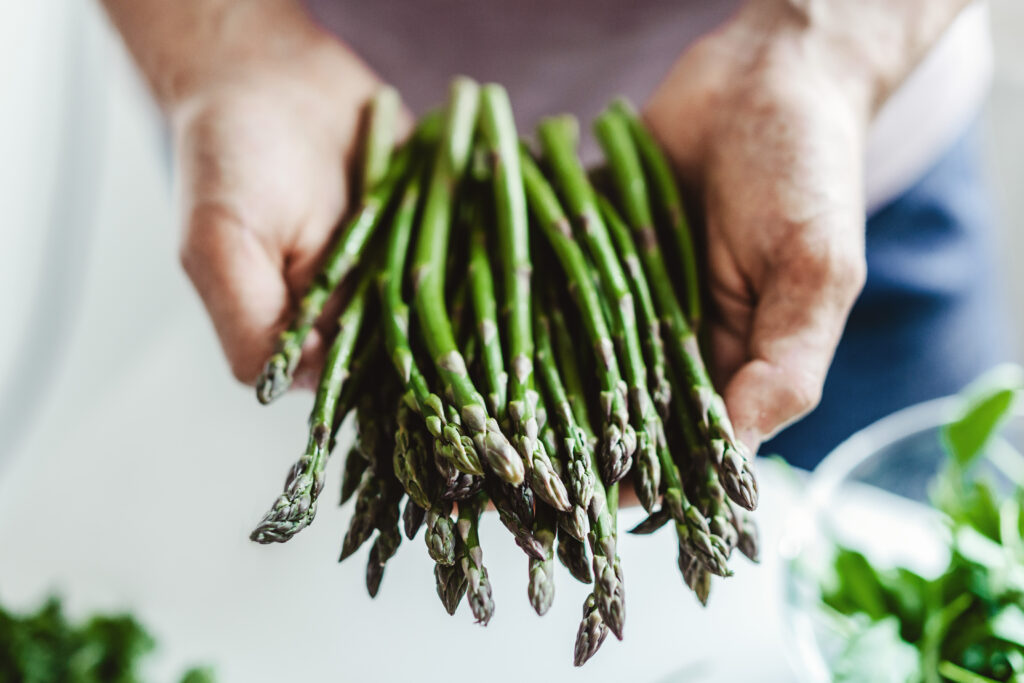
To get Kent asparagus at peak freshness, you have several reliable options, from farm shops in the Kent countryside to reputable online retailers that ship directly from growers. This guide explains where to buy, what packaging to expect, when to look for Kent Asparagus, and the best ways to take advantage of seasonal offers. Whether you prefer visiting farmers’ markets, stopping by a local grocer, or ordering direct from a farm, you can rely on consistent quality, strict picking standards, and prompt delivery. We also cover packaging that protects flavor and freshness, as well as tips to judge availability and peak months. By understanding seasonality and buying tips, you can enjoy Kent asparagus at its best, with flavor that reflects the region’s farming heritage.
Where to buy Kent asparagus (farmers’ markets, shops, online)
Where to buy Kent asparagus starts with the producers themselves in Kent’s farming heartland. The easiest first stop is a farmers’ market in towns such as Canterbury, Faversham, Sevenoaks, or Maidstone, where growers bring freshly picked spears on market days. Purchasing directly from the grower gives you insight into harvest timing and field conditions, which helps you plan meals around peak flavor. Look for stalls operated by the farmers, not just middlemen, and ask when the asparagus was harvested. If possible choose spears with firm, crisp stalks and tightly closed tips, indicators of recent picking. Many vendors will offer bundles tied with simple twine and provide advice on how to store them at home to maximize freshness. For those who are short on time, some Kent farms also run pick-up points or small roadside shops near their fields, which can offer the same assurances of provenance and freshness. Farmers’ markets also let you compare varieties, such as green, purple, or white Kent varieties, and get tips on the best cooking methods for each type.
Farm shops located at or near the fields are another reliable route. These outlets carry a range of sizes from slim to thick spears and often sell across the harvest season. Staff can describe which varieties were grown that week and help you choose between youngest, most tender spears and heartier stalks suited for roasting. If you’re exploring near established towns like Tunbridge Wells or Ashford, you’ll frequently find seasonal displays that announce the peak of Kent Asparagus season. Some farms also offer demos or short talks about harvest methods, which can deepen your appreciation for the crop’s quality. When you buy from a farm shop, you can typically select the exact quantity you need, reducing waste and ensuring you get the freshest possible produce for your table. In many cases, these shops operate alongside farm cafés or online ordering portals, allowing a seamless transition from field to kitchen. Buying locally also supports the farming community and helps protect Kent’s long-standing farming techniques.
Online purchases from Kent growers are increasingly popular for home cooks who want to guarantee freshness without a trip to town. Reputable growers publish origin details, including the farm name in Kent and the harvest date, so you can gauge how recently the spears were picked. Delivery options vary by provider but many offer next-day or two-day shipments within the UK, with insulated packaging and moisture-retaining liners to preserve crispness. When ordering online, pay attention to the packaging description: breathable bags or cartons can help prevent moisture buildup that leads to soggy spears, while excessive plastic may hamper sustainability goals. Some suppliers also present bundle options tailored to cooking needs—single-length sticks for grilled asparagus, or thinner spears ideal for quick steaming. If you’re chasing a specific event or recipe, online sources can often provide precise spear lengths or trimming options to suit your plan. Always confirm that the online service is closely aligned with a Kent-based producer so you know the origin is Kent and the freshness is genuine.
Packaging standards and sustainability
Packaging standards for Kent asparagus play a crucial role in maintaining freshness from field to fork. The best packaging supports crisp spears, keeps humidity balanced, and minimizes waste. Consumers can expect to see breathable, recyclable materials that allow air to circulate while protecting the cut ends from damage. Traditional cardboard cartons with minimal plastic are common in farm shops and online parcels, while some growers use paper bags or perforated nets for short trips to markets.
Common packaging types and their benefits include breathable cardboard trays, which help preserve moisture without sealing in excess dampness; paper sleeves or wrap for protection with less plastic; and perforated plastic-free bags for longer shipments in moderate climates. When plastic is used, look for layers that are specifically labeled as recyclable and made from renewable plant-based sources. Supporting packaging that reduces plastic waste aligns with sustainable Kent farming practices and the broader move toward responsible food packaging.
Sustainability considerations matter to both buyers and producers. Some Kent growers choose FSC-certified cardboard, vegetable-based inks, and minimal packaging to cut waste. Reusable crates and bulk packaging at farmers’ markets reduce single-use materials, while online deliveries favor recycled or compostable liners. A growing number of suppliers also offer return programs for packaging or partner with local recycling facilities, ensuring that packaging is processed properly after use. If you’re mindful of environmental impact, inquire about packaging choices at the point of sale and opt for sources that publish their sustainability commitments.
Tips for customers include inspecting packaging upon arrival, storing the product promptly, and reusing packaging where possible. At home, transfer spears into a shallow tray with a little water or place them upright in a jar to keep the cut ends moist while refrigeration. Remove any non-recyclable plastic and recycle according to local guidelines. For longer-term use, consider freezing or preserving by blanching and freezing, which maintains nutrition and flavor for later meals. By choosing Kent producers with thoughtful packaging, you support a farming system that values freshness, waste reduction, and ongoing innovation in sustainable packaging.
Seasonality, availability, and peak months
Seasonality, availability, and peak months for Kent asparagus reflect the region’s climate and farming calendar. In Kent, the harvest traditionally begins in late spring, with the earliest shoots appearing as early as late March or early April in warmer years. The bulk of supply typically arrives from April through June, with May often representing the peak when the tallest, most tender spears are widely available. Weather conditions in the weeks leading up to harvest can influence size, thickness, and sweetness, so exact timing can shift year to year.
Availability can vary by location. Farmers’ markets tend to feature the freshest picks during peak weeks, while online outlets may offer staggered shipments to maintain freshness over several days. Supermarket shelves often align with regional promotions, and many Kent farms run seasonal schemes that extend a shareable window of supply, especially on sunny weekends. If you’re planning specific dishes or events, it’s wise to check with sellers about upcoming harvest days or to place a pre-order so you receive a guaranteed batch during peak weeks.
Off-season options may rely on greenhouse production or imported asparagus from nearby regions, which can differ in flavor and texture. For purists chasing Kent Asparagus, timing matters: the best flavor and nutrition are tied to the harvest window, when the spears are firm with tight tips and bright green color. If you see unfamiliar labels or atypical thickness, ask the supplier about provenance and whether the product is from a Kent farm or a secondary source. By understanding seasonality, you’ll know when Kent asparagus is most likely to deliver its characteristic sweetness, crunch, and aroma.
Buying tips, storage at home, and recipe suggestions
Buying tips, storage at home, and recipe suggestions help you get the most from Kent asparagus. When selecting spears, choose ones with firm stalks, closed tips, and a fresh scent, avoiding any that feel soft or woody at the base. If you’re unsure about freshness, gently bend the stalk; fresh spears snap cleanly.
Store asparagus in the fridge upright in a cup or jar with about an inch of water, like fresh flowers, and cover loosely with a plastic bag to retain moisture. Do not wash until ready to use, as moisture can hasten spoilage.
For simple serving, steam or blanch for 2–4 minutes and finish with a splash of lemon juice and olive oil, or roast at high heat with olive oil, salt, and pepper for 8–12 minutes. For Kent Asparagus recipes, try pairing with shaved Parmesan or a quick hollandaise. A handful of chopped herbs, such as parsley or dill, can brighten the flavor without overpowering the fresh taste that Kent growers nurture.
Want to use leftovers? Trim ends can be saved for stocks, add spears to a stir-fry, or blend into a light soup. More adventurous cooks can experiment with pesto or asparagus ribbons in salads. By storing and preparing Kent asparagus correctly, you preserve nutrition and flavor that aligns with Kent Asparagus health benefits and cooking tips.